


DISCOVER ZAMORA
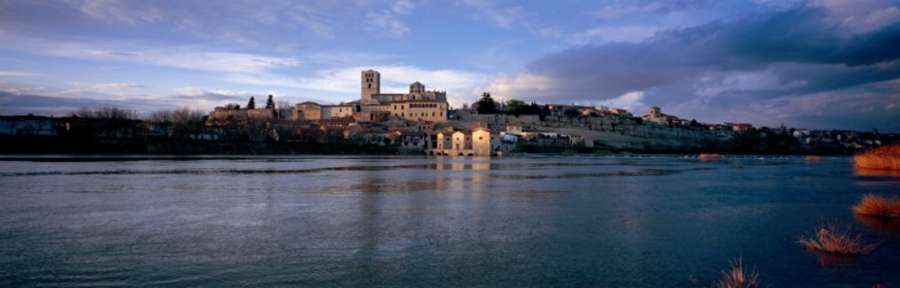
THREE DAYS OF FESTIVAL. A CITY TO DISCOVER.
You come for Z!. But Zamora has plenty of reasons for you to want to arrive a little early, go out and explore it between concerts, or leave wanting to come back when the festival ends.
For a few days in June, thousands of people from different places make Zamora their meeting point. Metal takes over the city, the terraces fill up, you start finding festival T-shirts everywhere, and the Z! atmosphere is felt long before you reach the venue.
But it’s worth looking a little further.
Zamora is a city to explore without rushing, eat well, sit by the Duero, and get lost in streets with centuries of history.
And during Z!, it’s also your home.
A CITY MADE FOR WALKING
One of the best things about Zamora is that you don’t need a big plan to start getting to know it.
You can walk from the Plaza Mayor toward the historic center, stroll down the Rúa de los Francos, head to the Cathedral and the Castle, and end up going down to the Duero.
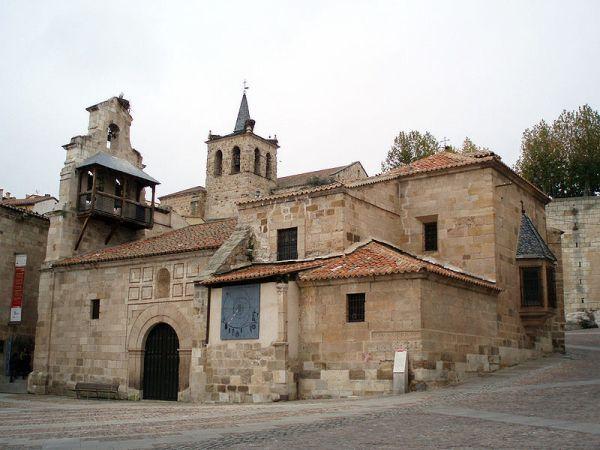
Along the way, Romanesque churches, squares, viewpoints, walls, and some of the city’s most recognizable corners will appear.
Zamora preserves more than twenty Romanesque buildings and is considered one of the great urban ensembles of this style on the Peninsula.
Here the heritage is not concentrated in a single monument: it is part of the walk.
MUST-SEES
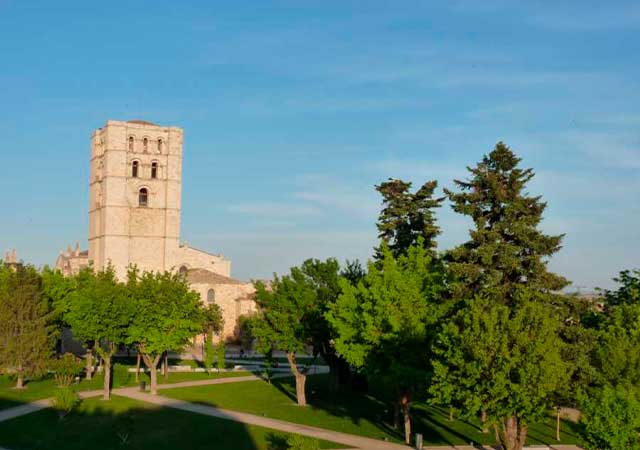
Cathedral of Zamora
One of the great symbols of the city, recognizable especially for its distinctive scalloped
dome.
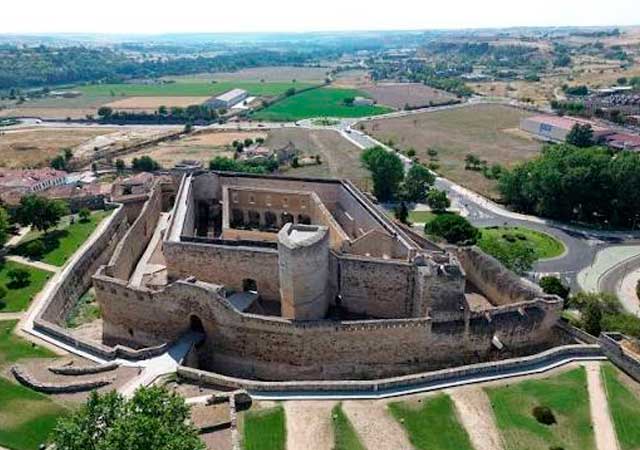
Castle and walls
Next to the Cathedral, one of the best places to approach Zamora’s medieval past and
contemplate the city from another perspective.
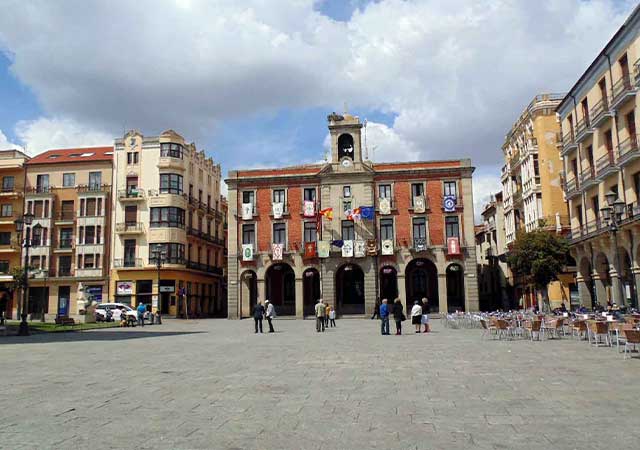
Plaza Mayor and historic center
A good starting point for walking, having a drink, and gradually entering the monumental area.
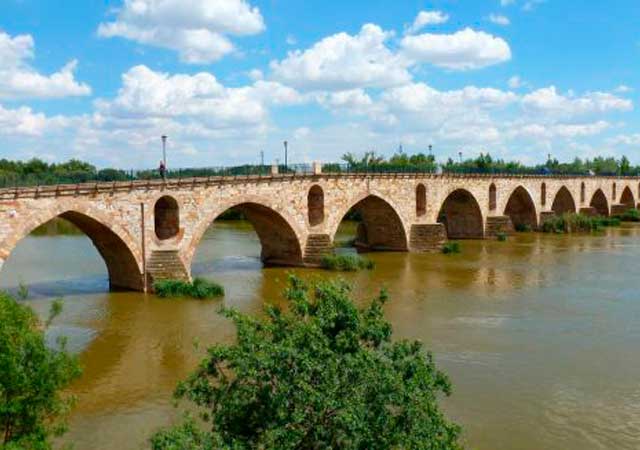
Stone Bridge
Of medieval origin and for centuries one of the great entrances to the city. Crossing it allows you to
contemplate one of Zamora’s most recognizable images.
Museums, exhibitions, and historical spaces open throughout the weekend.
GO DOWN TO THE DUERO
Zamora cannot be fully understood without the river.
When you need to wind down after hours of festival, it’s worth heading to its banks.
You can cross the Stone Bridge, walk along the water, discover the Aceñas de Olivares, or simply find a spot from which to contemplate the city’s skyline.
The Aceñas de Olivares have been documented since the 10th century and recall the close relationship Zamora has historically maintained with the Duero.
A plan quite different from being in front of a stage.
And precisely for that reason it works so well.
THERE IS ALSO ANOTHER ZAMORA
Romanesque architecture attracts much of the attention, but you only need to keep walking towards the centre to discover another side to the city.
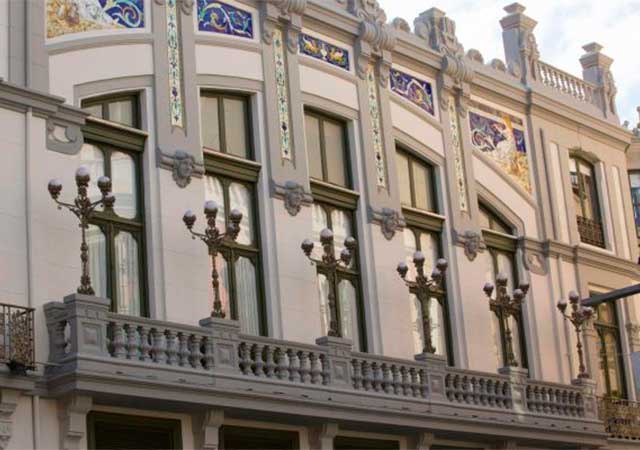
Between the late 19th and early 20th centuries, Zamora developed a significant Modernist heritage
which today forms part of the European Modernism Route.
Santa Clara and Balborraz streets, Plaza de Sagasta, the area around the Mercado de Abastos and the
Plaza Mayor itself offer visitors the chance to discover buildings and façades that completely transform the image many
visitors have of the city.
Because Zamora has much more to offer than just medieval stone.
PEOPLE COME HERE TO EAT TOO
Between concerts, you’ll need to recharge your batteries.
And Zamora takes this quite seriously.
You can sit down for a leisurely meal, find a terrace, or do something much simpler: go out for tapas.
The Los Lobos and Los Herreros areas are two of the classic spots for this, and a great way to sample the city without having to sit down for hours on end.
And if you want to delve a little deeper, Zamora’s cuisine features specialities such as Zamoran cheese, Aliste veal, Zamoran-style rice, ‘bacalao a la tranca’, cured meats and the province’s wines.
Our advice is simple:
come with an appetite.




ZAMORA IS WAITING FOR YOU
On 17, 18 and 19 June, we’re heading to Zamora to enjoy some metal.
But between one gig and the next, there’s a whole city out there.
Make it part of your Z! too.